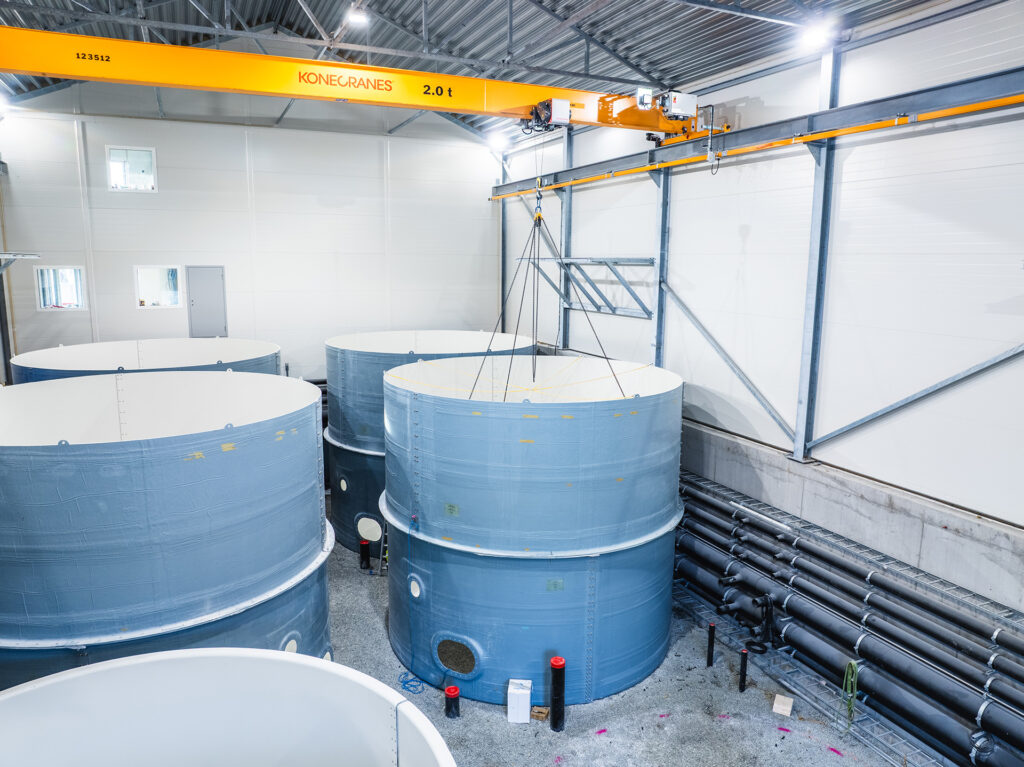
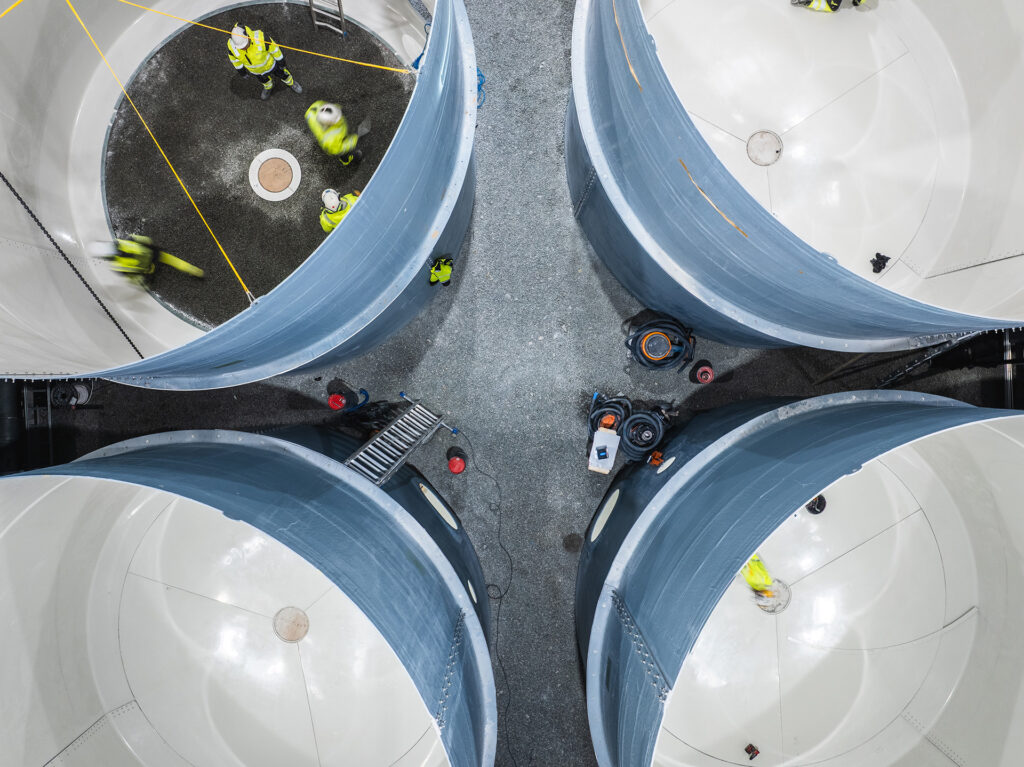
Fish farming tanks made from composite are more than just lifting modules into place. Behind HighComps’ products lies years of experience, knowledge and product optimisation – creating the solution to many of the challenges the fish farming industry faces.
When a new aquaculture facility is being built or an existing one expanded, composite fish tanks can be the best solution for meeting the requirements of the project.
“It really comes down to the advantages of GRP as a material. It has high strength-to-weight ratio, is corrosion-free, and can be customised as needed – including on challenging projects with very specific requirements,” says Fredrik Faye, Sales Manager.
The very first thing we look at when starting a new project is the transport options to site. Since our fish farming tanks are prefabricated, modules are delivered directly to the construction site once installation is ready to begin.
“The location of the facility and accessibility are decisive for how we can dimension and divide the modules. That is why transport is one of the first things we address when starting a new project. After that, it is about having a good dialogue with the customer to understand their needs and wishes, so we can suggest what is achievable,” Faye explains.
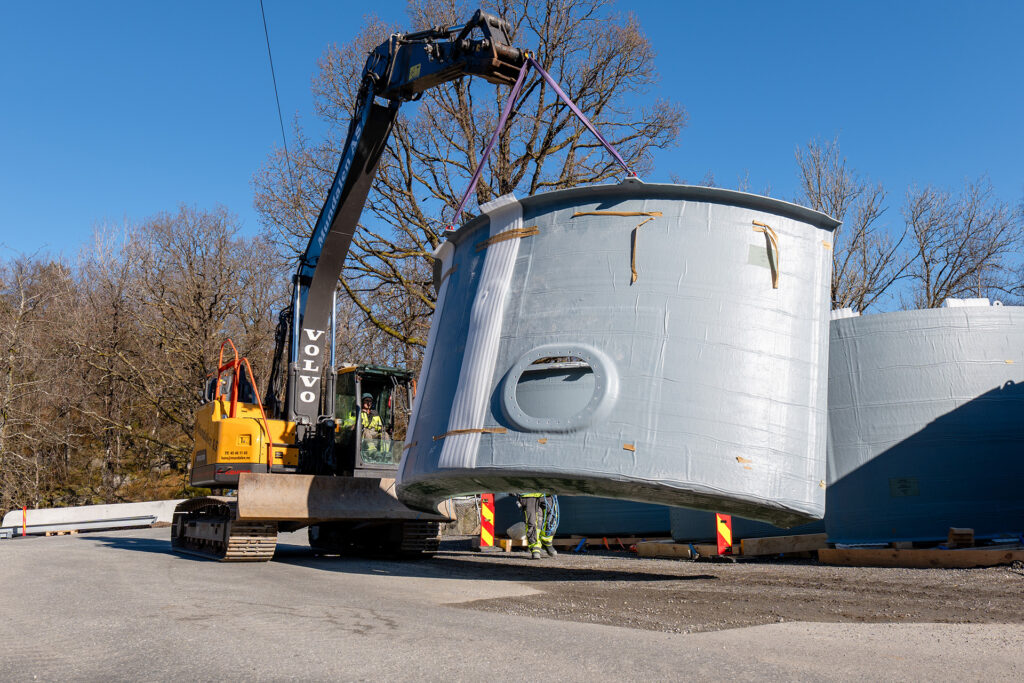
Transport by boat is often the preferred option when possible, both because it tends to be the most cost-effective and because it allows for shipment of larger elements. Where transport by boat is not possible, the modules are adapted for road transport.
“When transport by road is required, we sometimes need to split the tanks into more modules due to size constraints and transport restrictions. We design our tanks not only to perform well in operation, but to also make the transport and installation as efficient as possible, both in terms of time and cost,” Faye says.
Prefabricated solutions make it possible to significantly reduce the total construction time. While groundwork and other preparations are underway at the site, production can take place in parallel at our factory.
Piping, electrical work, groundwork and other technical trades are all dependent on each part of the project happening on schedule. The predictability that comes with composite tank installation is therefore a significant advantage.
“As a customer, you want to get water and fish into the fish farming tanks as quickly as possible so production can begin. When we can produce the tanks at the same time as the groundwork is being done, installation time on site becomes minimal,” says Faye, adding: “It is extremely important to reduce installation time, and above all to deliver on the agreed schedule. When we have delivered, other contractors on the project are knocking on the door immediately. If we do not deliver quickly enough, it has consequences for the other contractors and the customer.”
The goal is therefore to produce the tanks in as few sections as possible. Fewer modules mean fewer joints, less work on site and a more efficient installation.
No two projects are alike. Behind every project stands HighComp’s own engineering department, ensuring that the result complies with our ISO certifications and has been third-party tested, including by DNV and AquaStruct NS 9416.
Fjon Bruk in Sveio is a good example of how composite tanks can be adapted when projects have very specific requirements related to floor space, access or building height.
“For Fjon, we delivered tanks that are taller than standard. It simply came down to the available floor area. The project shows how we can tailor solutions when the standard format is not sufficient. Another good example is Anfjord Salmon, where we delivered an exceptionally large, almost square-shaped tank. On that project it was the size, the shape and the design loads that made it unique,” Faye explains.
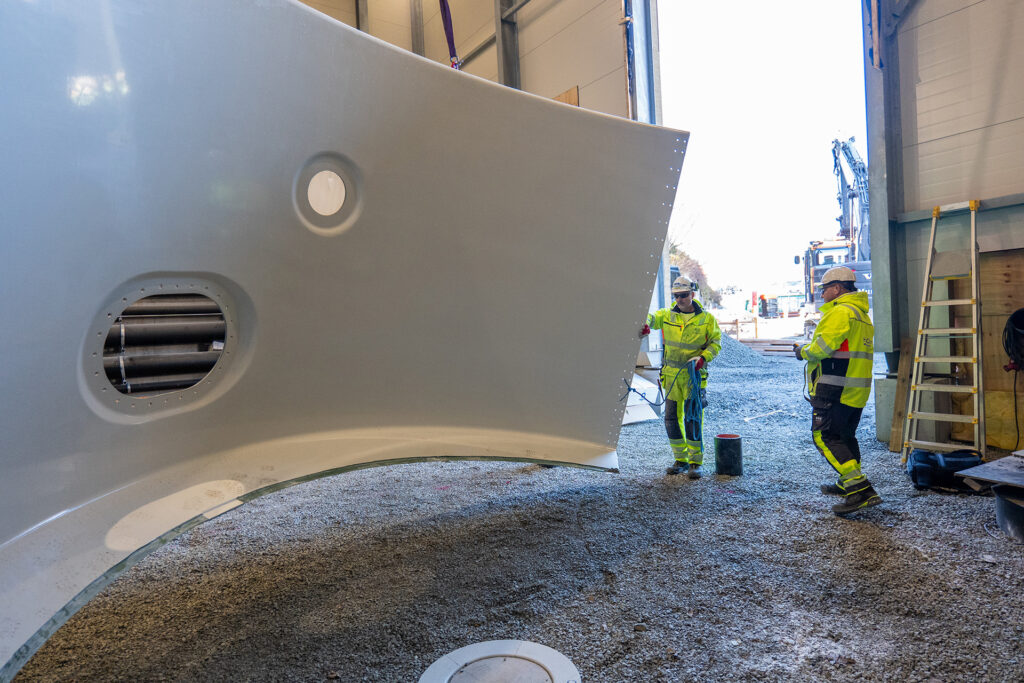
Fjon Bruk also demonstrates that customisations can be incorporated without compromising efficient delivery. Water hatches and inspection hatches were integrated directly into the tanks.
“Everything is achievable. If a customer wants inspection hatches, water access hatches, viewing windows or other adaptations, we can incorporate that. It has to be analysed and dimensioned correctly, and we have our own engineering department to handle that,” says Faye, adding: “For example, if the facility wants to showcase the fish for visitors, we can install a larger viewing window so the fish can be observed.”
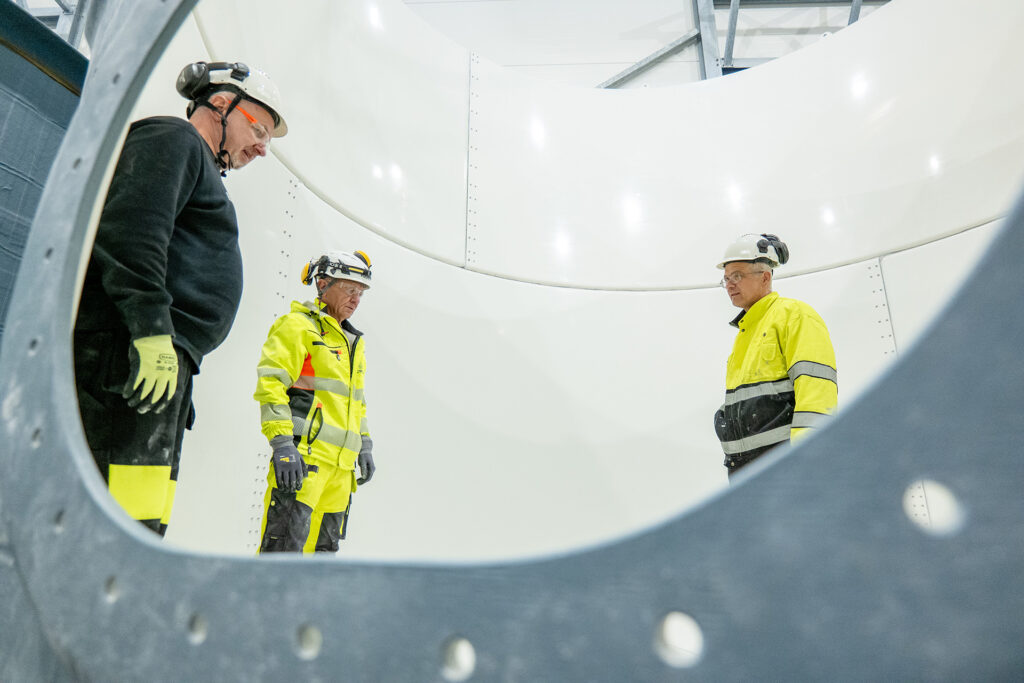
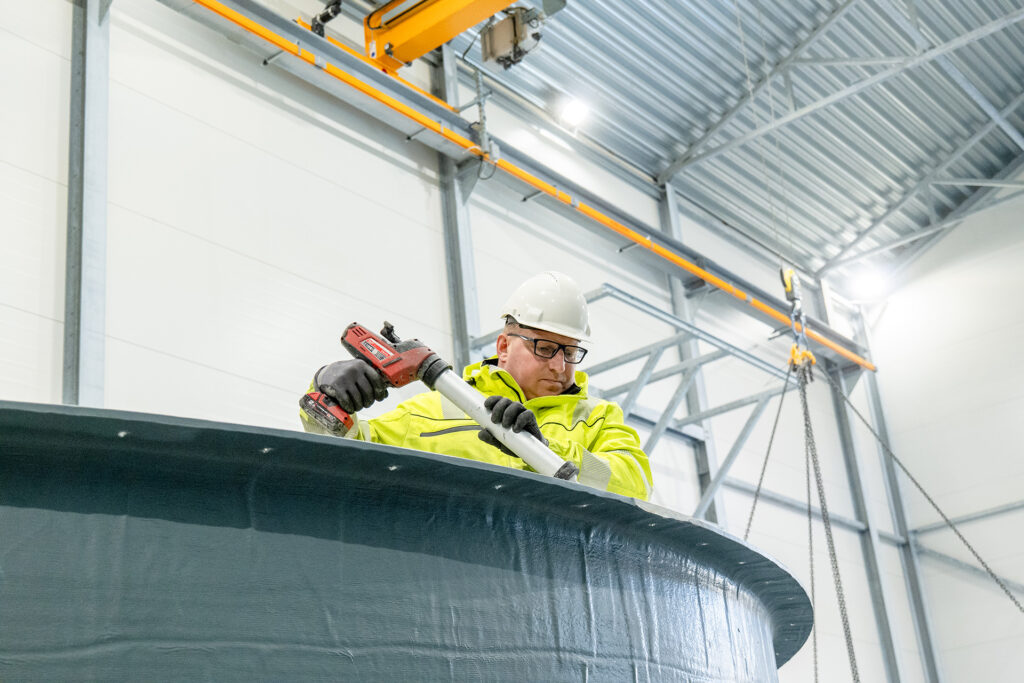
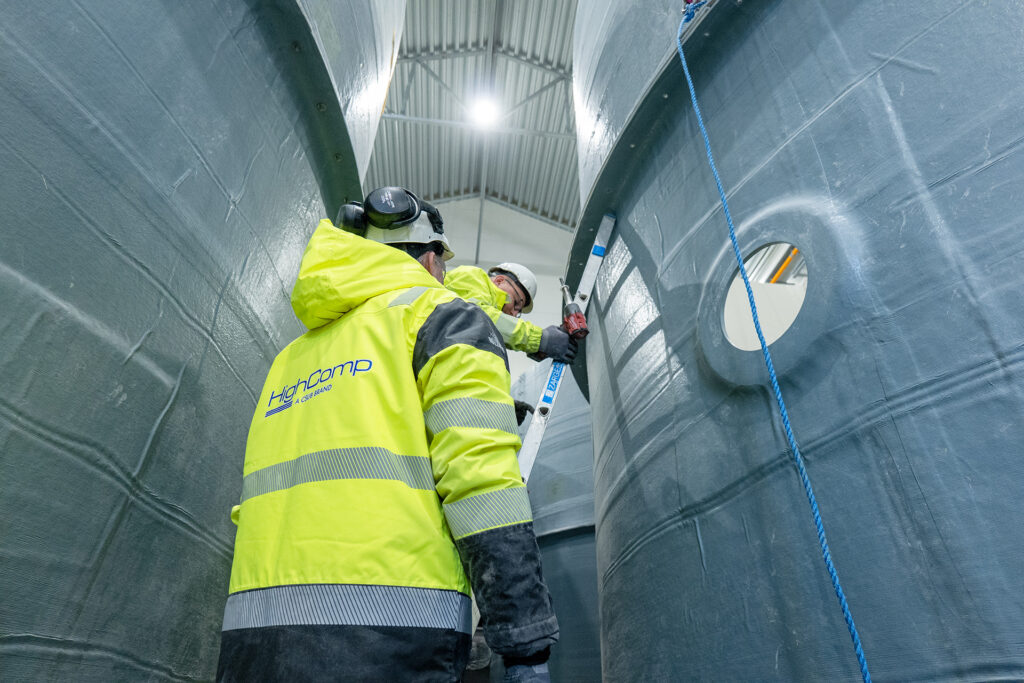
HighComp has its own installation team that handles the installation on site for every project. This provides better control throughout the process and ensures that solutions are assembled by people who know the systems well.
Delivering the complete package – from initial sketch through production to a fully installed tank – means we can follow the project more closely and adapt more easily if the schedule changes along the way.
“If the customer is ahead of schedule, we can usually speed up production. And if the customer is delayed, we hold back transport and postpone mobilisation on site. We try to be flexible and adjust delivery to the actual needs of the project,” he explains.
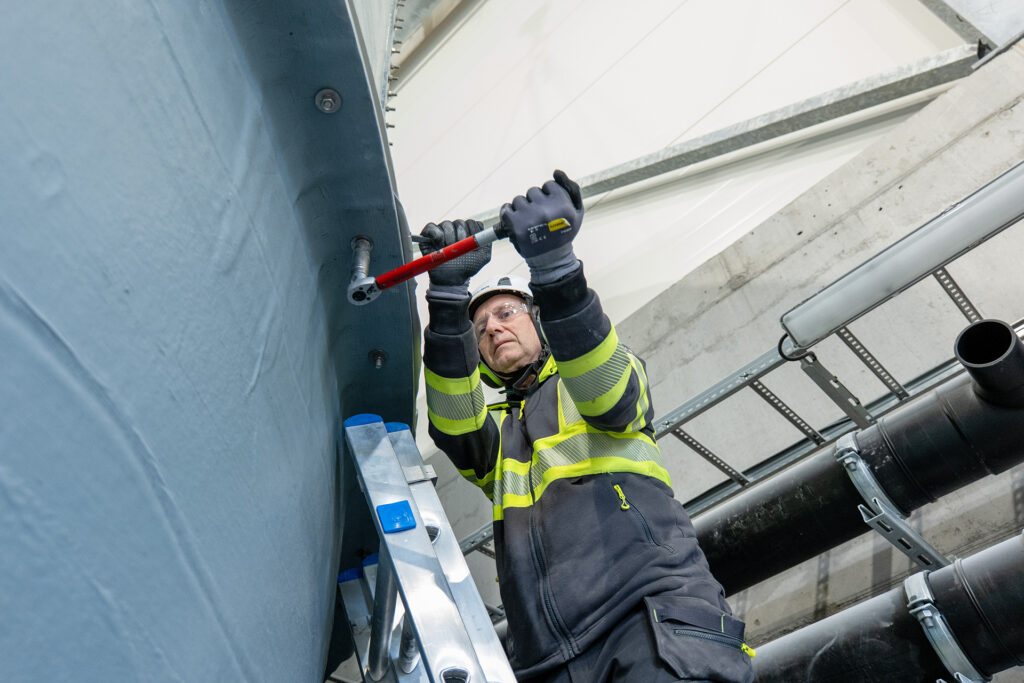
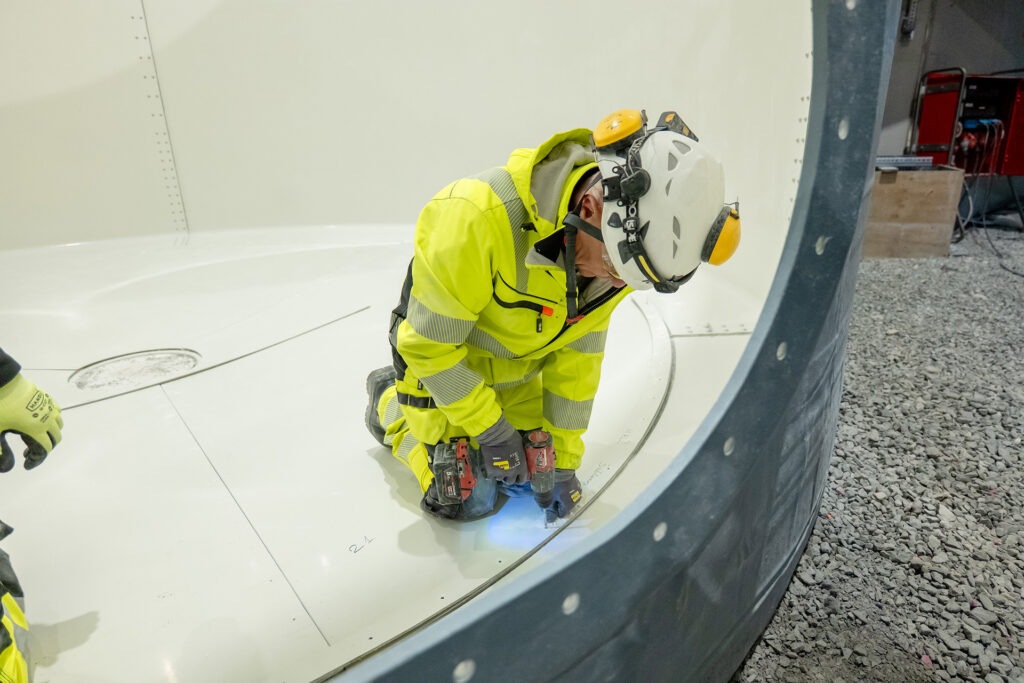
For fast and secure installation, a mechanical joint solution is used, providing a stronger and more robust assembly alongside a two-part sealing system.
“Previously we used hand lamination, but we redesigned the joint solution to give us more flexibility. With a mechanical solution, you are no longer dependent on dry conditions and stable temperatures. It makes installation simpler, both indoors and outdoors, regardless of the season,” Faye says.
“The sections are assembled mechanically using a defined bolt pattern developed by our engineering team. The number of bolts, dimensions and connection geometry are specified for each individual project to ensure the tank performs in accordance with the applicable requirements, standards and certifications. The two-part sealing solution creates a robust connection designed for long-term structural performance in demanding aquaculture environments,” he adds.
GRP fish farming tanks are well suited for both indoor and outdoor use. The composite material withstands demanding weather conditions and does not corrode, making it well suited for aquaculture facilities with high humidity and tough operating environments.
The low weight can also be decisive in projects where load-bearing capacity is a key consideration.
“On some projects, weight is absolutely crucial. At Sævareid, for example, we are installing tanks on the second floor, and there is a maximum load limit that had to be taken into account. Composite, with its low weight, was the solution,” says Faye.
We do not just deliver fish tanks – we deliver predictability. From the first phase of planning through transport to a fully installed facility, everything is handled by one team. That means shorter installation time and a tank solution built to withstand demanding conditions and long-term operation.