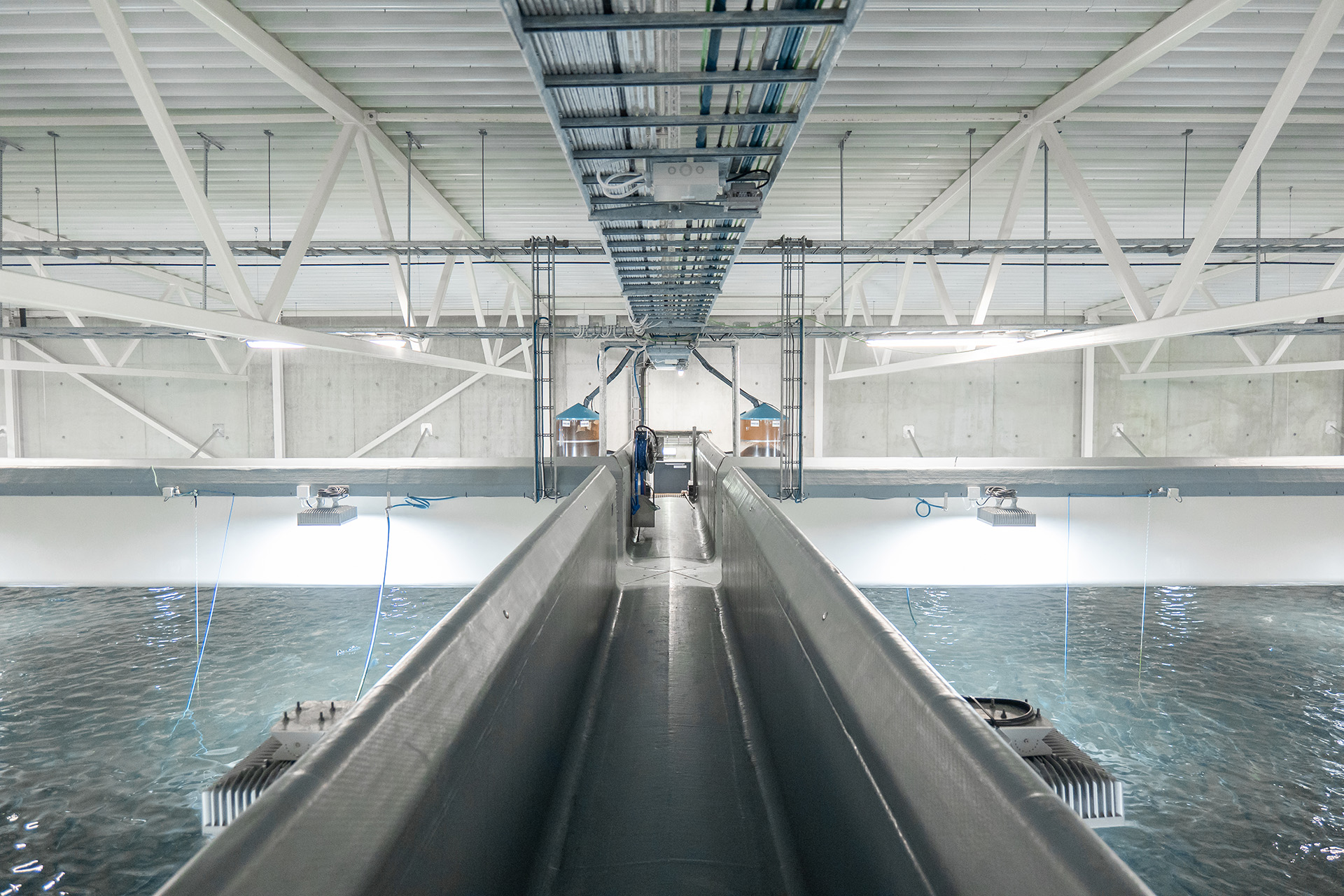
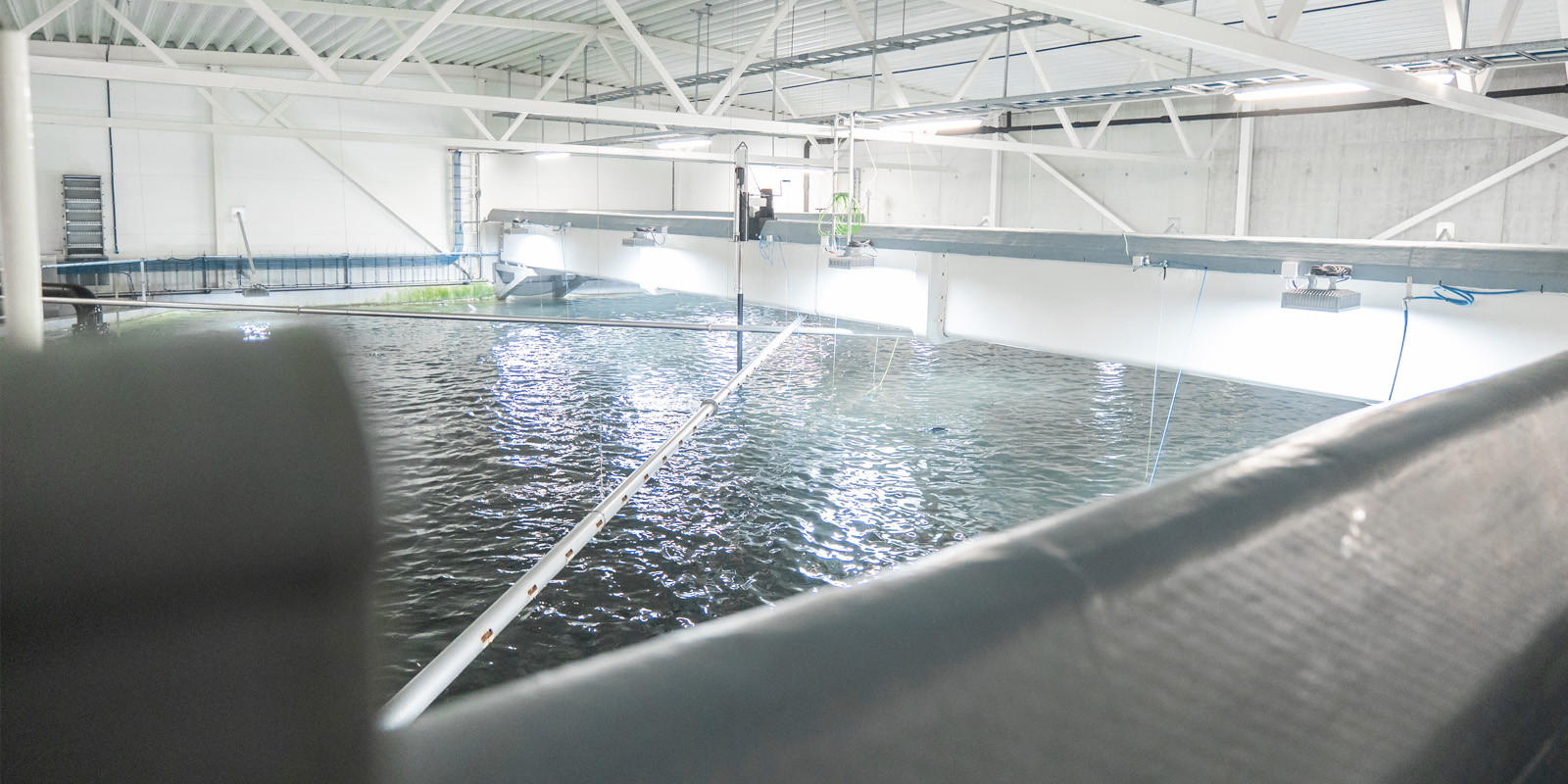
Walkway bridge design for aquaculture is about more than creating a route across a fish tank. It affects where operators can work, what they can observe and how easily routine tasks can be carried out across
large land-based aquaculture tanks.
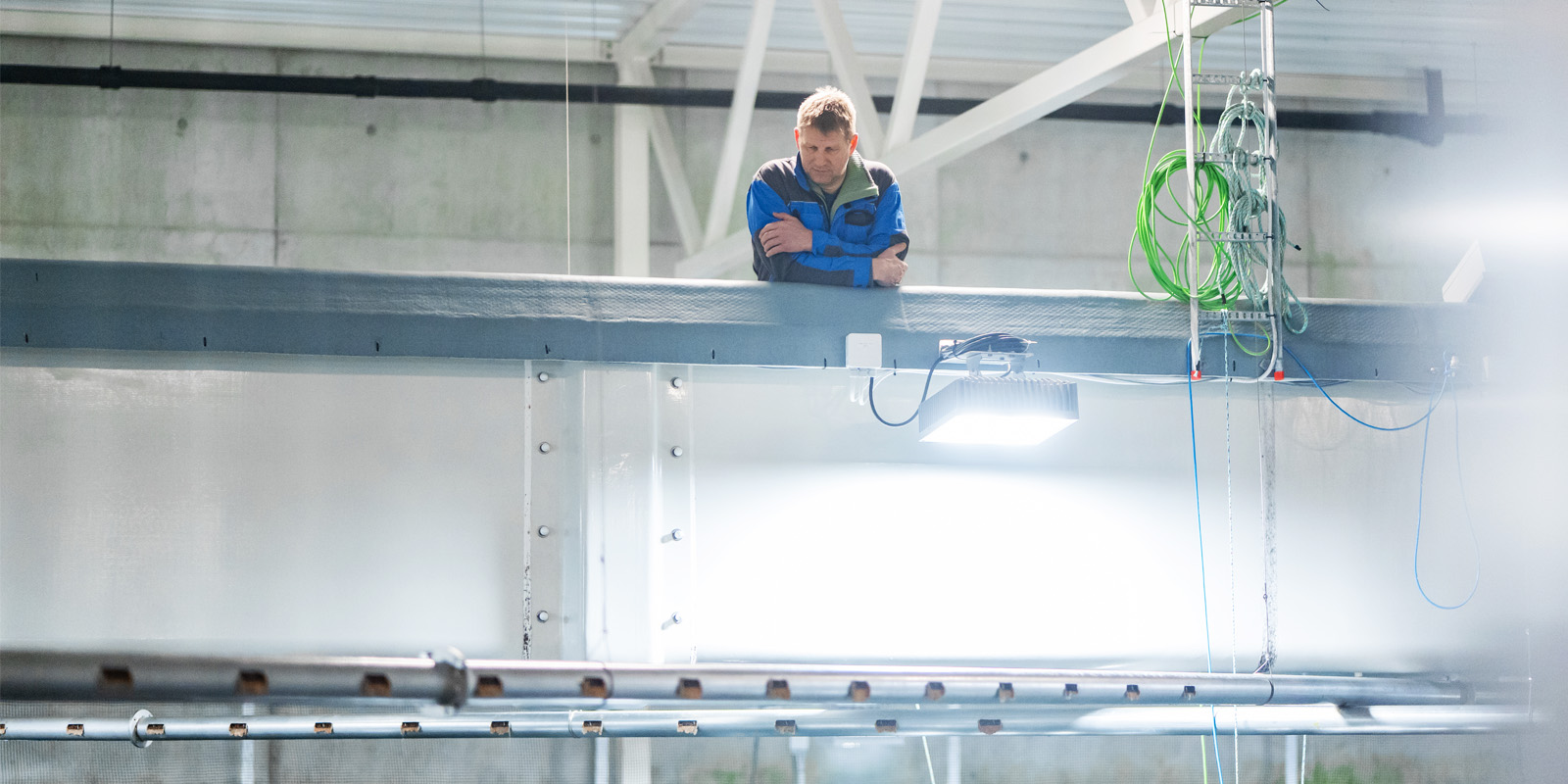
Large tanks create a practical access challenge. From the perimeter, operators may not have a clear view of every part of the water surface. A walkway bridge can provide additional observation points and a more direct route to equipment located above the tank.
Direct observation remains an important part of fish husbandry. The RSPCA welfare standards for farmed Atlantic salmon require fish to be observed during feeding, while the FISHWELL framework identifies appetite as a useful group-based welfare indicator. A bridge does not replace cameras, sensors or water quality data, but it can help operators gather visual information and interpret it alongside these other sources.
Bridge layout should begin with the tasks operators need to perform. These may include feeding checks, fish health rounds, equipment inspection, cleaning and responding to alarms.
A route across the tank can shorten the distance to observation areas that are difficult to see from the perimeter. However, position alone is not enough. Railings, lighting, feeding equipment and other installations must be coordinated so that they do not obstruct sight lines or make inspection points difficult to reach.
Designers should also consider where personnel need to stop and work, not only how they will cross the tank. This helps ensure that the bridge supports the operating routine rather than becoming a separate structure that staff must work around.
Long-span bridges must provide sufficient strength, stiffness and stability for their intended loads. Deflection, vibration and movement under foot traffic can affect both the operator’s working conditions and activity above the
tank.
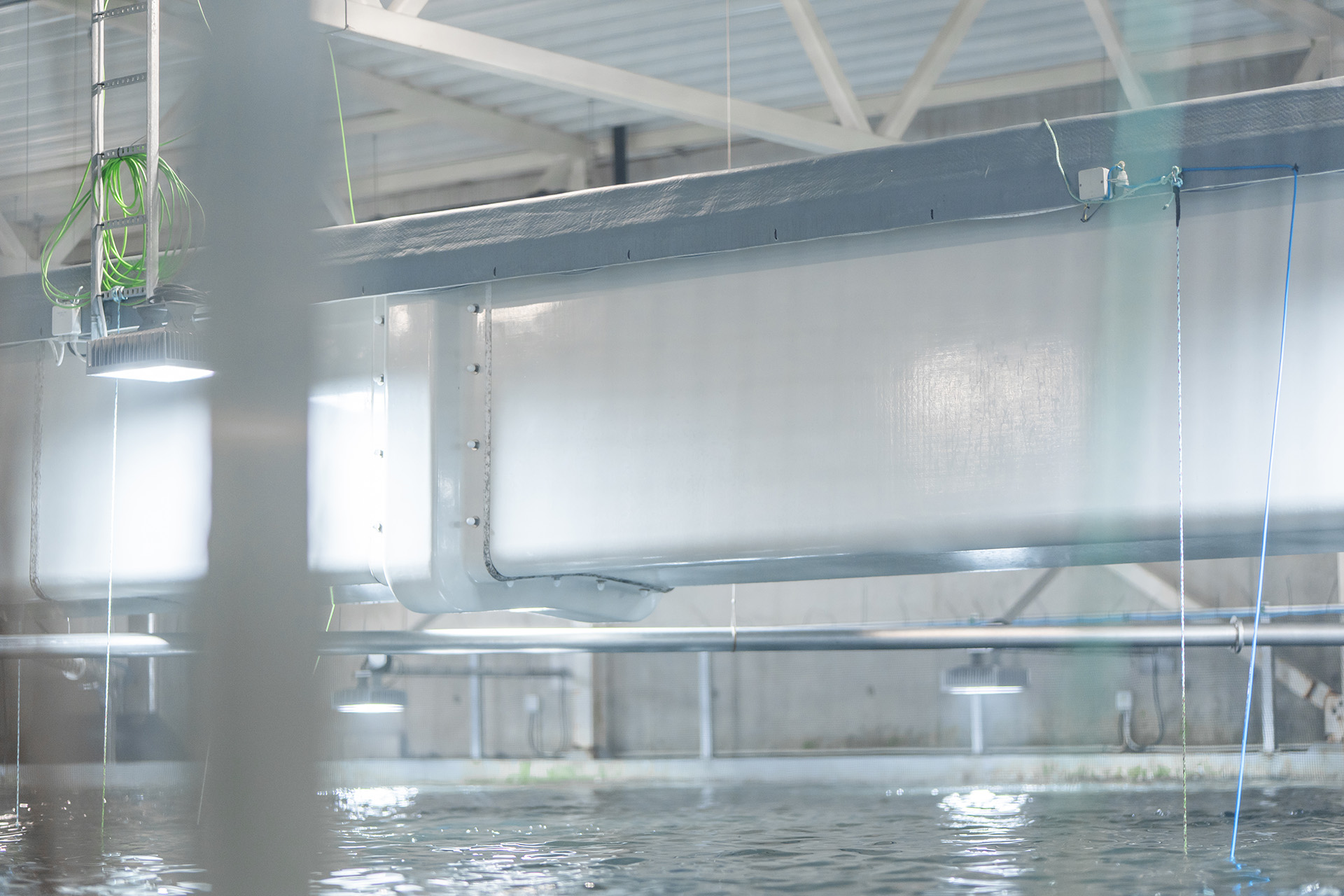
At Tytlandsvik Aqua, HighComp’s LESS-STRESS™ bridges span up to 20 metres. According to the customer’s experience, the solid construction allows personnel to move above the tanks with less disturbance to the fish. The facility’s experience is described in HighComp’s Tytlandsvik Aqua customer case.
This is a documented customer observation, not scientific evidence that the bridge reduces fish stress. The distinction is important because structural performance can be engineered and measured, while the biological effect of a specific bridge solution would require separate scientific assessment.
The Tytlandsvik example also shows why span cannot be considered in isolation. Tank geometry, expected traffic, equipment loads and connections to surrounding structures all form part of the engineering basis for each project.
Before selecting a walkway bridge or gangway, fish farmers and project teams should clarify:
- Tank geometry and required span: How far must the bridge reach, and where can it be supported?
- Observation points: Which parts of the tank must operators be able to see during feeding and routine inspections?
- Operational loads: How many people, tools and pieces of equipment may be on the bridge at the same time?
- Structural response: What requirements apply to stiffness, deflection and movement during use?
- Safe access and hygiene: Are walkway width, railings, slip resistance, drainage and cleaning requirements included?
- Equipment interfaces: Will the bridge provide access to lights, sensors or feeding equipment, and have these loads been included in the design?
- Operating environment: Are material choice and maintenance needs suitable for continuous exposure to moisture and aquaculture conditions?
These questions should be addressed early, while the tank layout and surrounding access systems can still be coordinated. Late changes may affect structural interfaces, equipment placement and working routes.
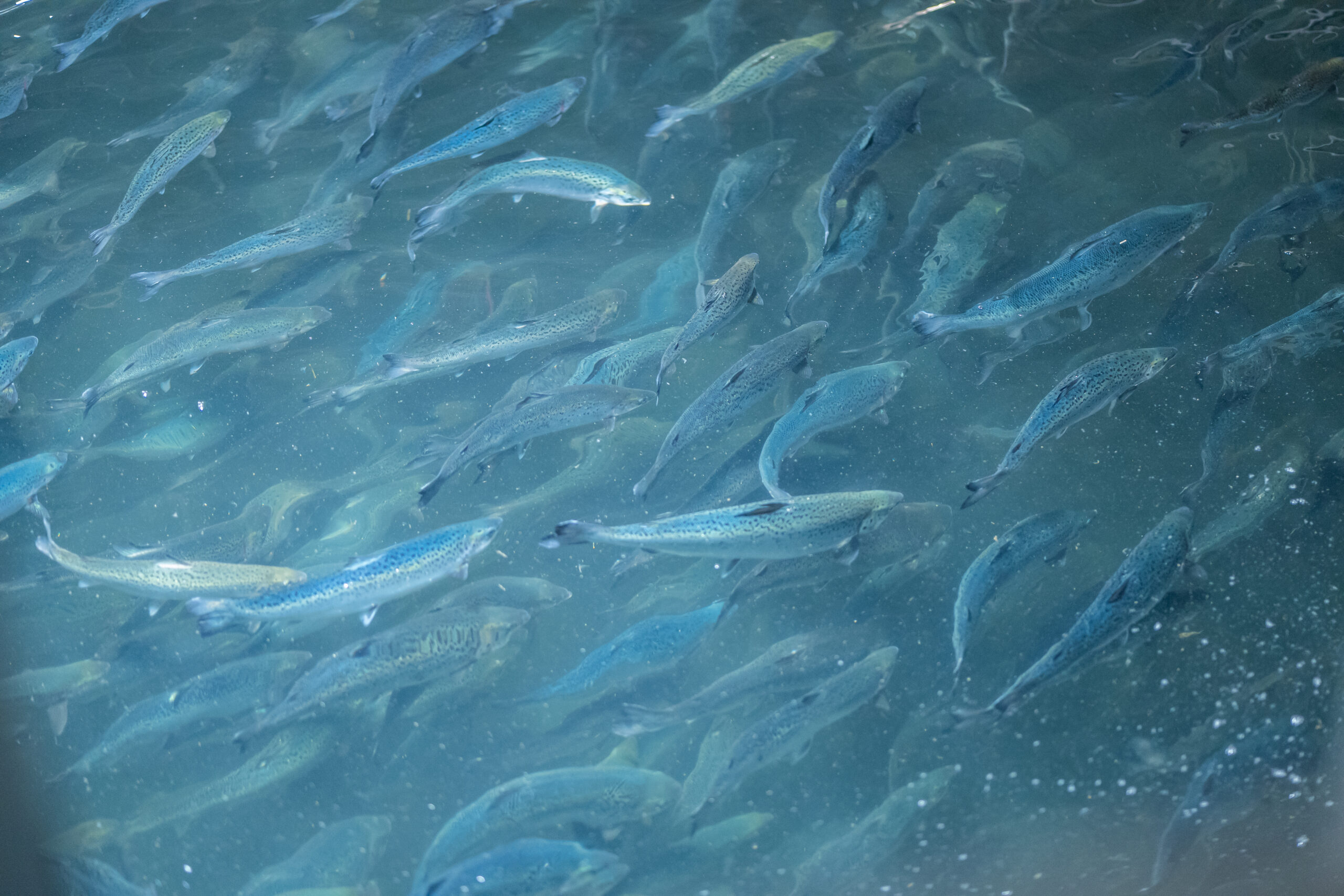
At Tytlandsvik Aqua, operators use the bridges to observe appetite, pellet size and feeding response. From above the tanks, they can assess whether fish are taking feed evenly and whether adjustments may be needed.
Observations should still be interpreted in context. The Institute of Marine Research notes that reduced appetite can indicate several health or welfare problems, but may also have other explanations, including recent feeding and satiation. Visual checks are therefore most useful when combined with feeding records, camera images, water quality data and fish health information.
Good walkway bridge design for aquaculture supports daily operations by making relevant areas easier to reach and observe. When access, structural performance and equipment interfaces are planned together, the bridge becomes a practical part of the facility’s operating system.
For more information on project-specific spans, structural design and integration, explore HighComp’s composite walkway bridges for land-based aquaculture.