To closely monitor the fish in large aquaculture tanks, Tytlandsvik Aqua has chosen Less-Stress walkway bridges from HighComp – a solution that provides better overview and less disturbance in the tanks.
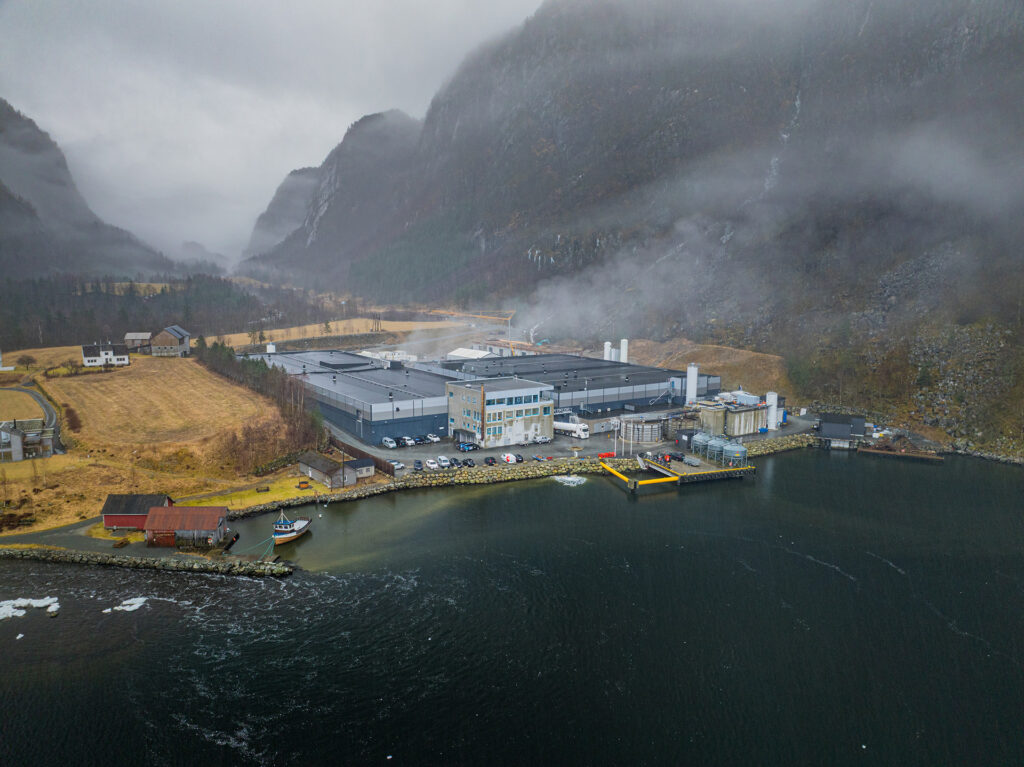
Located deep in the Ryfylke region in western Norway, Tytlandsvik Aqua operates a land-based post-smolt facility producing around 5,000 tonnes of fish yearly, with a license allowing for significant future growth.
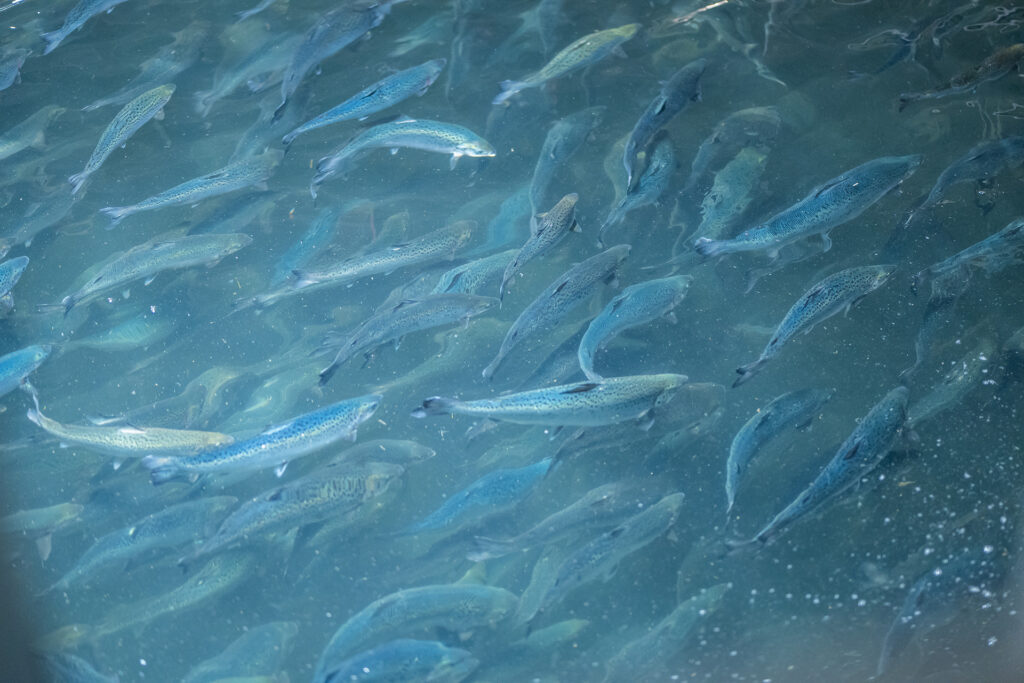
At the facility, post-smolt are kept in land-based fish tanks until they reach up to 1–1.5 kg before being transferred to sea sites. By keeping the fish longer in a controlled land-based environment, the farmer gains better control over environmental conditions and reduces risk in the sea phase.
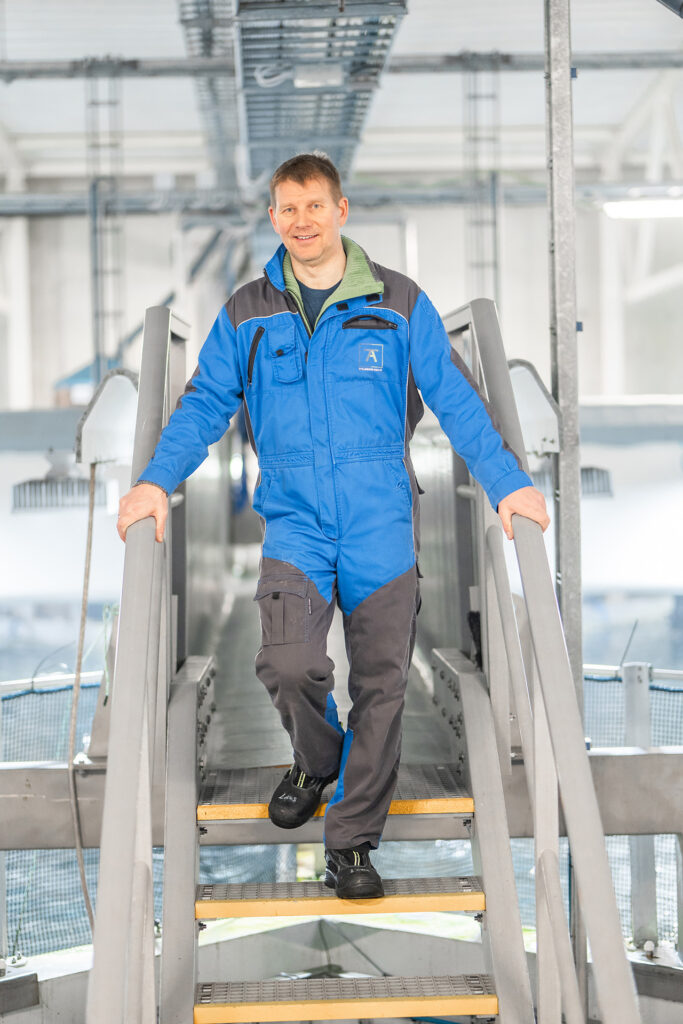
“These are fish that could have been transferred to sea earlier, but we choose to keep them on land a bit longer to give them an advantage once they are transferred,” says Lars Andre Frønsdal.
Tytlandsvik Aqua operates a large and modern facility. When the first construction phase was carried out in 2018, they needed a solution to cross fish tanks with a large diameter.
That solution came from HighComp.
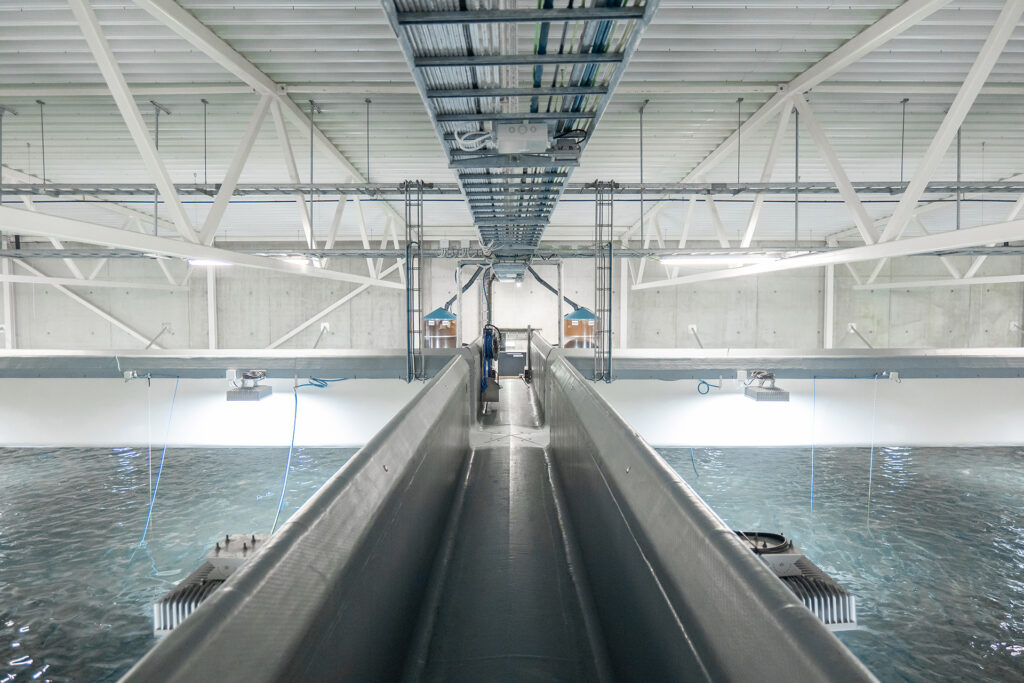
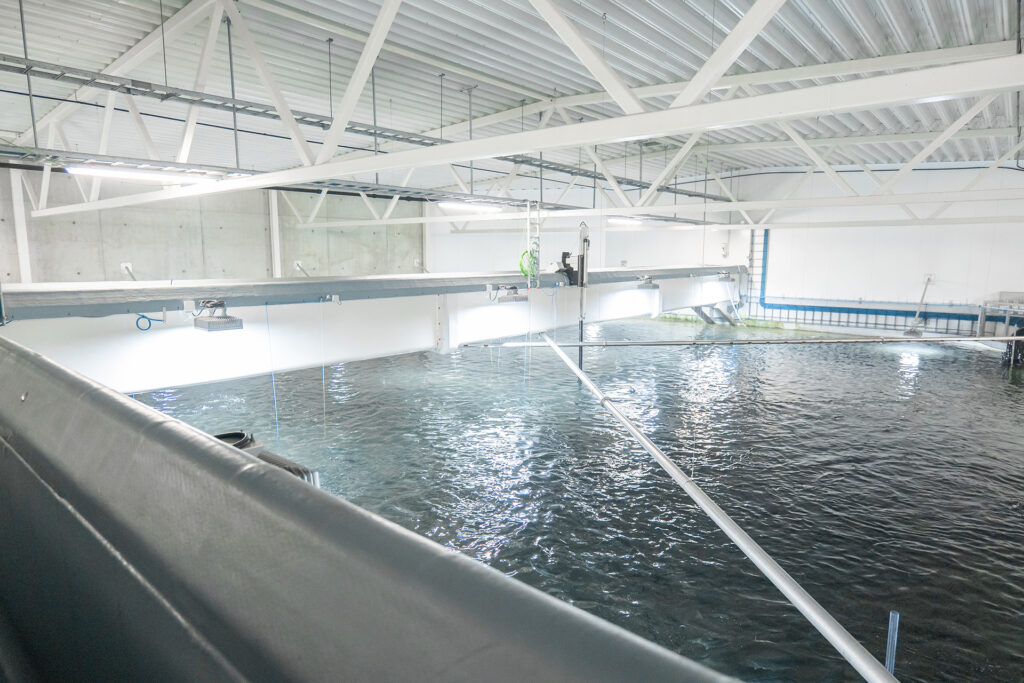
“We had the challenge of crossing spans of up to 20 meters over the tanks. To achieve this without too much deflection in the structure, the bridges from HighComp turned out to be a very good solution,” Frønsdal explains.
The walkways were installed during the first development of the facility, and positive experiences have led the company to continue using Less-Stress bridges in later expansions.
“We also hope to use them in future expansion phases,” he adds.
For employees working closely with the fish every day, the walkways are much more than simply a way to move across the tanks. They also contribute to better fish welfare compared to more traditional solutions.
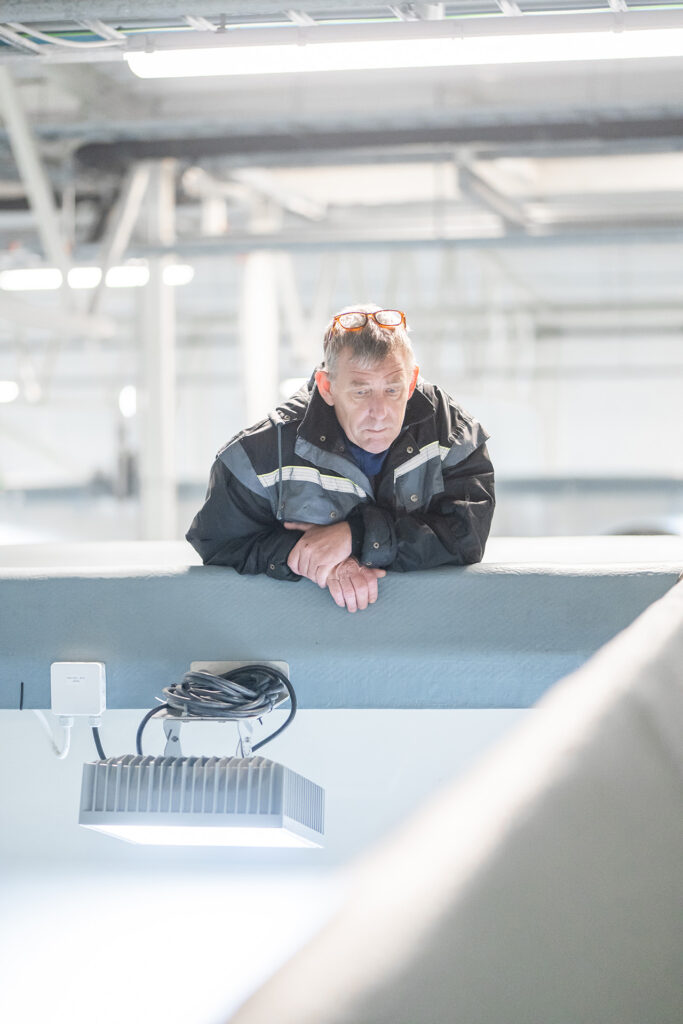
“The bridges are fantastic for those of us who look after the fish. Because they are solid, the fish are not disturbed as much when we walk over the tanks,” says operations technician Trond Kjellesvik.
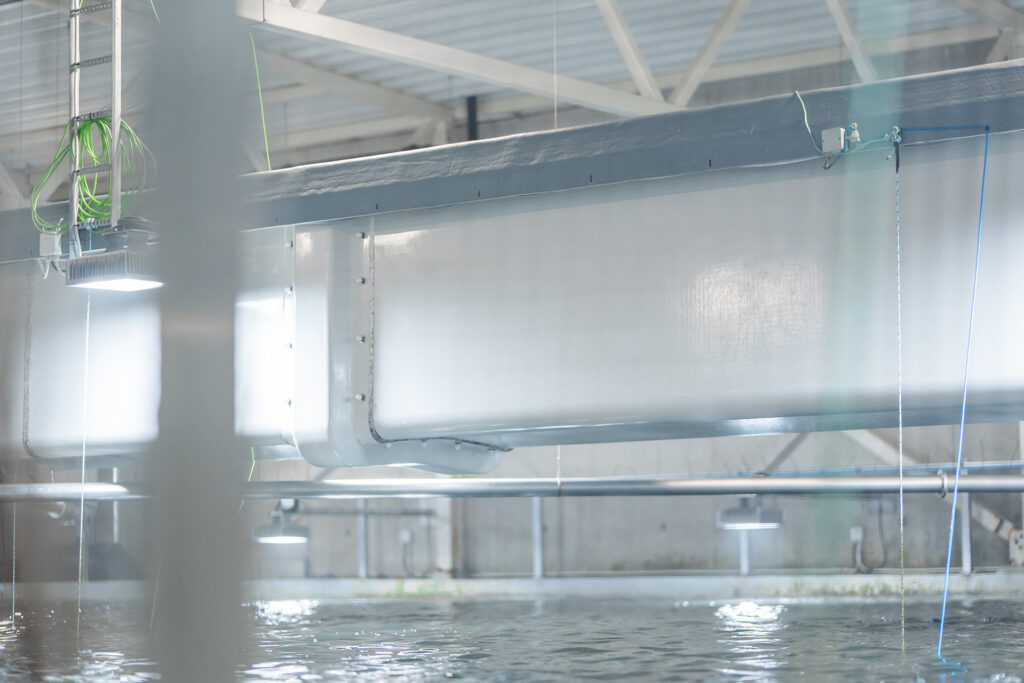
At the same time, the construction creates very little shadow over the water surface – another advantage for the fish.
Observing the fish is a key part of the daily work for Kjellesvik and his colleagues. From the walkways, technicians can stand directly above the tanks and closely monitor fish behaviour to ensure optimal feeding and performance.
“I have always liked feeding visually, based on the behaviour of the fish. When we stand above the tanks, we can gather all the information we need to analyse the feeding process,” Kjellesvik says.
Through these observations, he quickly sees how the fish respond to the feeding and what adjustments are needed.
“You learn a lot by observing. You can see whether the pellet size is correct, whether the fish spit out the feed, or whether they eat evenly. You can also see how their appetite develops throughout the day,” he explains.
This information is crucial for adjusting feeding and ensuring healthy fish growth.
Since the walkways from HighComp are made from composite materials, cleaning becomes easier. At Tytlandsvik Aqua, they experience that maintenance of the walkways works well in daily operations.
“The surfaces are smooth and the bridges are easy to keep clean and maintain,” says Kjellesvik.
The walkways also make it easier to distribute equipment evenly above the tanks.
“When you have the bridges in the middle of the tanks, it becomes easier to position lights and other equipment. That would have been more difficult without the bridges,” Kjellesvik explains.
Less-Stress walkways from HighComp are specifically developed for use above fish tanks in land-based aquaculture facilities. The bridges are produced in composite (GRP), a material that combines high strength with low weight and excellent resistance to corrosion.
The curved half-pipe construction provides high stiffness and makes it possible to span large distances across fish tanks.
The smooth composite surface also makes the bridges easy to clean, while the material is well suited for the humid and demanding environment found in aquaculture facilities.
After several years of use, the experiences at Tytlandsvik Aqua have been so positive that the employees are happy to recommend the solution to other fish farmers.
“I think some people are a bit jealous of us. I would absolutely recommend these bridges. They are a very useful tool when you work with fish every day,” Kjellesvik concludes.